
Your cart is empty Continue Shopping
How to Prepare Before Your First Solo Atlantic Crossing

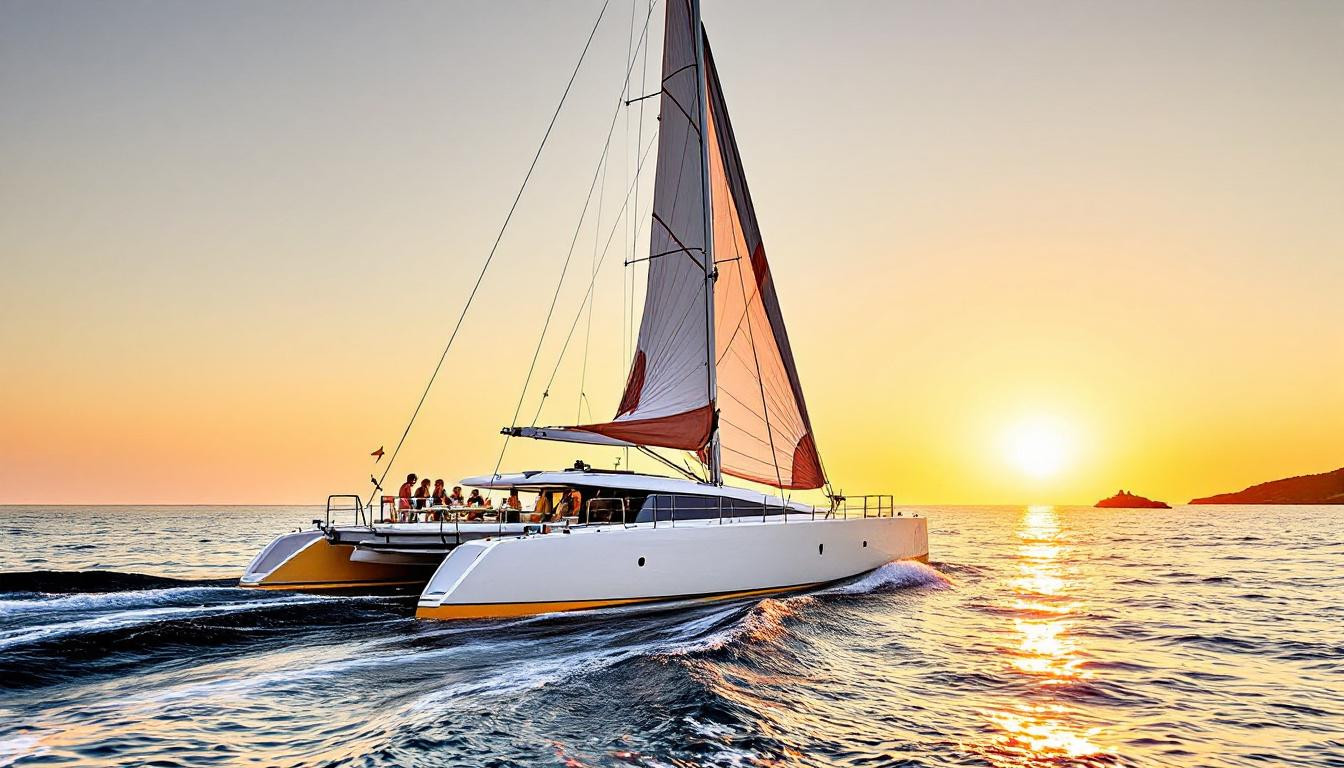
Crossing the Atlantic alone is one of sailing’s biggest milestones. It’s not something to take lightly. Preparation is the difference between a rewarding passage and one that becomes dangerous. If you’re planning your first solo Atlantic crossing, this guide gives you the essentials: training, gear, provisioning, mental readiness, and stopover planning.
Do You Have Enough Experience?
Sailing forums and groups repeat one piece of advice: don’t make the Atlantic your first offshore passage. Build up step by step.
- Start coastal: Spend time sailing alone alongshore, anchoring and docking without help.
- Do overnight sails: Learn how your body reacts to fatigue. Practice setting alarms and using autopilot.
- Do a smaller ocean leg: Try a 3–5 day passage first, such as Canary Islands to Madeira, or Bermuda to the Bahamas.
By the time you point the bow across the Atlantic, you should be confident reefing alone at night, handling heavy weather, and navigating without help.
The Training That Helps Most
- RYA Yachtmaster Offshore or equivalent is valuable, but at minimum take a coastal skipper or offshore passage course.
- Medical training: A first aid course tailored for offshore sailors is essential. You won’t have a doctor nearby.
- Heavy weather handling: Many training schools offer storm-sailing modules. Learn how to heave-to and run off safely.
Gear Checklist for a Solo Atlantic Crossing
Every boat is different, but solo sailors agree on the following as non-negotiables:
Navigation & Autopilot
- Reliable autopilot or wind vane steering, with a spare or repair kit
- GPS and paper charts
- AIS transceiver for visibility at night
Safety Equipment
- Life raft and grab bag
- EPIRB and personal locator beacon
- Lifejackets with tethers and strobes
- Jacklines rigged from bow to stern
Power & Redundancy
- Solar panels or wind generator
- Spare batteries or power bank for essential electronics
- Backup VHF and handheld GPS
Spares & Tools
- Pumps, belts, filters, and rigging spares
- Sail repair kit
- Tools for electrical and mechanical repairs
Provisioning: How Much Is Enough?
Plan for at least 20–30% more than your expected passage time. A solo crossing from the Canaries to the Caribbean often takes 18–25 days. Provision for 30 days minimum.
- Water: 4–5 liters per person per day, unless you carry a watermaker.
- Food: Simple meals you can cook when tired — rice, pasta, tinned protein, dried fruit, nuts.
- Emergency rations: High-calorie bars, freeze-dried packs.
Store food in small portions. You don’t want to wrestle with large containers in heavy seas.
Mental Preparation
Solo sailing is as much mental as physical.
- Sleep strategy: Practice micro-naps of 20–30 minutes with alarms and AIS watch.
- Routine: Build a daily schedule for meals, log entries, weather checks.
- Loneliness: Stay connected with a satellite messenger. Short daily check-ins help morale.
Weather and Timing
The safest time for first-timers is to leave the Canaries in late November to early December. By then, the hurricane season is over and the trades are reliable.
Avoid late crossings that push you into the peak of winter storms.
Why Stop in St. Kitts at the End
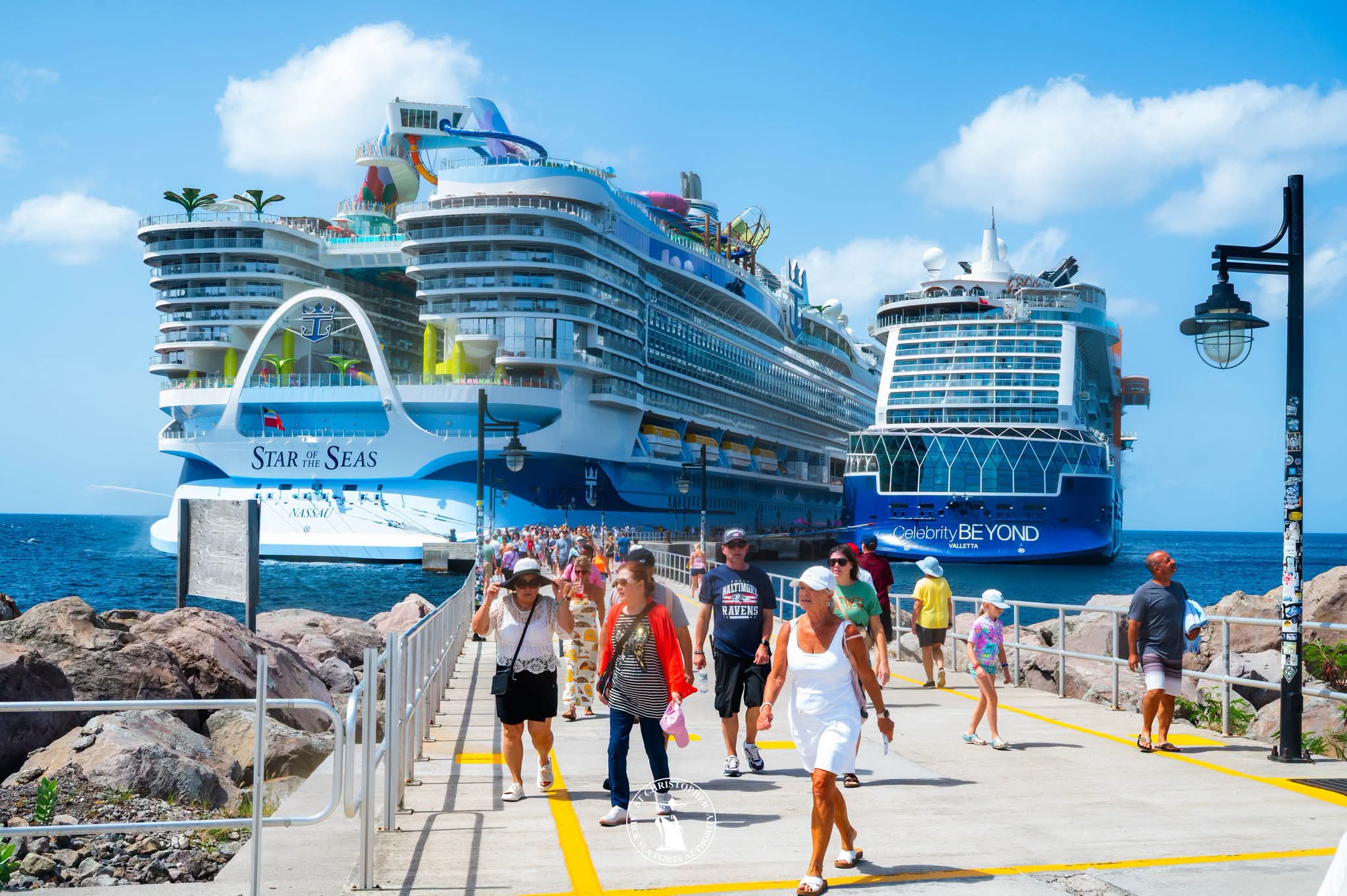
When you make landfall in the Caribbean, you’ll want a marina that’s secure, easy for clearance, and close to supplies. Port Zante Marina in Basseterre, St. Kitts, offers:
- On-site Customs and Immigration.. no running around town
- 36 serviced slips with water and power
- Garbage disposal, fuel delivery, and provisioning within walking distance
- A safe base to rest, repair, and recover before continuing south or north
For a first-time solo crosser, arriving into a well-organized port makes the transition from ocean to land far smoother.
Key Takeaways
- Don’t cross without offshore training and overnight passage practice.
- Carry redundant systems: autopilot, power, and navigation.
- Provision for at least 30 days, even if you expect less.
- Prepare mentally for fatigue and loneliness.
- Time your departure to use the trades safely.
- Plan a reliable landfall – Port Zante Marina in St. Kitts is ideal for clearance, rest, and resupply.
Next, learn how solo sailors manage sleep and watch systems.
Looking for a safe landfall? Here’s what Port Zante offers.