

Your cart is empty Continue Shopping
Rodney Bay Marina vs Port Zante Marina

When sailors plan routes through the Eastern Caribbean, they rarely choose marinas in isolation. They think in sequences. One stop follows another. Each stop serves a specific purpose, whether that involves rest, logistics, clearance, or access to shore.
Because of its scale and history, Rodney Bay Marina often appears early in that planning process. Many cruisers know it well and use it as a reference point when organizing longer passages through the region. That familiarity shapes how sailors evaluate other marinas along the same route.
Within that same corridor sits Port Zante Marina, which plays a different role in the decision-making process.
Different stops answer different questions
Sailors rarely ask, “Which marina is better?”
They ask, “What do I need this stop to do?”
Some stops support extended stays. Others support movement. Some simplify paperwork. Others provide access to people, supplies, or transportation. A marina succeeds when it answers the right question at the right moment in a voyage.
Rodney Bay often answers questions related to duration and service concentration. Port Zante answers questions related to access, timing, and efficiency within a working capital city.
Why location changes how a stop functions
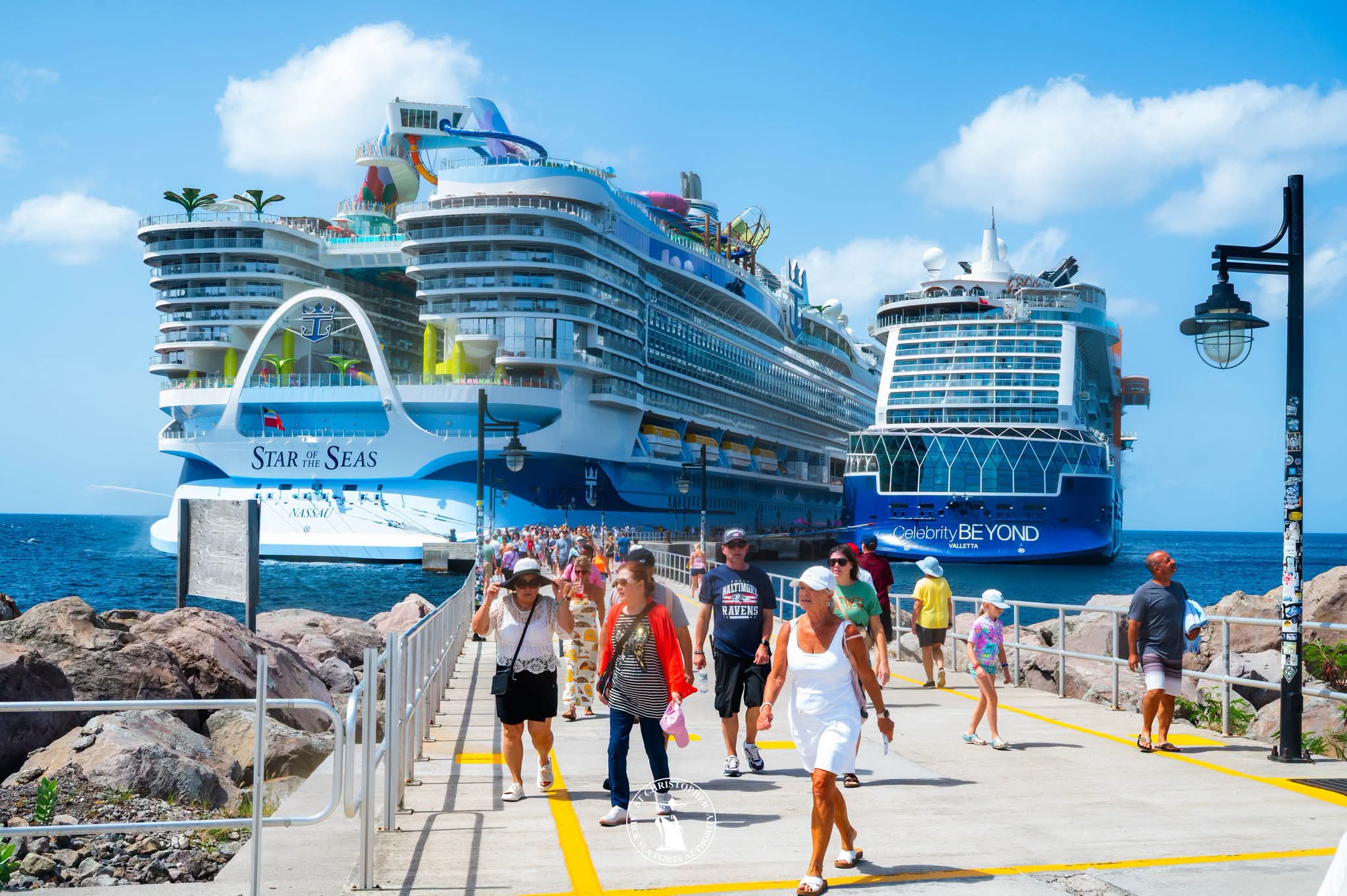
Port Zante Marina sits directly on the Basseterre waterfront. That placement shapes the experience immediately. Crews step off the dock into the capital, not into a contained marina district. Daily tasks happen within the flow of city life rather than around it.
This layout reduces planning overhead for short and medium stays. Crews walk to banks, shops, offices, and transport services without scheduling taxis or detours. Movement feels direct, especially for captains managing time-sensitive itineraries.
The marina does not replace the city. It connects to it.
How sailors use Port Zante in practice
Most vessels that stop at Port Zante arrive with a clear purpose. Some clear in and continue south. Others provision before heading north. Some align arrivals with events or crew changes. Others simply want a straightforward stop where errands do not consume a full day.
This use pattern differs from destination-style marinas, but it fits naturally into regional sailing routes. Many experienced cruisers plan Port Zante as a functional stop between larger hubs rather than as a long-term base.
That role remains intentional.
Why familiarity elsewhere still matters
Well-known marinas like Rodney Bay help sailors orient themselves geographically. They appear on charts, in guides, and in conversations. That visibility simplifies early research.
Port Zante benefits from that context rather than competing with it. When sailors understand what each stop is designed to provide, they choose based on need, not reputation.
That clarity improves routing decisions and reduces friction on passage.
Choosing stops with intention
Sailors who plan efficiently often mix different types of marinas within one season. They combine hub stops, city stops, anchorages, and short layovers based on timing and purpose.
Port Zante Marina fits into that approach by offering direct access, manageable logistics, and a clear connection to everyday life in St. Kitts. It works best when used deliberately, which is exactly how most experienced crews approach their itineraries.
Frequently Asked Questions
Is Port Zante Marina used mainly for short stays?
Yes. Many vessels use Port Zante Marina for short to medium stays focused on clearance, provisioning, repositioning, or scheduled arrivals tied to crew or events.
Does Port Zante Marina sit inside the city?
Yes. The marina sits directly on the Basseterre waterfront, placing crews within walking distance of banks, shops, offices, and transport services.
Do sailors combine Port Zante with other regional marinas?
Yes. Many cruisers include Port Zante Marina alongside larger hubs such as Rodney Bay as part of a broader seasonal route.
Is Port Zante Marina suitable for international arrivals?
Yes. Basseterre regularly serves as an entry point for international vessels, and the marina’s location supports efficient handling of arrival logistics.
Why do sailors include city marinas in their routes?
City marinas reduce movement time, simplify daily tasks, and allow crews to handle logistics without separating from local life.