
Your cart is empty Continue Shopping
Safety & Emergency Planning for Your First Solo Atlantic Crossing

Crossing the Atlantic alone means taking full responsibility for your boat and your life. Emergencies at sea are rare, but when they happen, you won’t have a crew to help. A solid safety and emergency plan gives you confidence and buys you time if something goes wrong. Here’s what solo sailors need to prepare before casting off.
Core Safety Gear
The right equipment is your first line of defense.
- Life raft: Sized for at least two, even if you’re solo. Store it where it can be launched in seconds.
- EPIRB (Emergency Position Indicating Radio Beacon): Register it, test it, and mount it where you can reach it fast.
- PLB (Personal Locator Beacon): Wear it at all times in your lifejacket.
- AIS transponder: Lets ships see you at night and in poor visibility.
- Jacklines & tethers: Run strong jacklines bow to stern. Clip in every time you leave the cockpit.
- PFD with harness & strobe: A lifejacket that integrates with your tether is essential.
Communication and Rescue
Even solo, you’re not cut off from the world if you prepare.
- Satellite phone or messenger (Iridium, InReach): Daily check-ins reassure family and can send distress messages.
- SSB radio: Useful for long-range comms and weather nets.
- Handheld VHF: Keep one waterproof handheld as backup.
Practice using these tools before departure. In an emergency, you don’t want to learn on the spot.
Emergency Scenarios to Prepare For
Man Overboard (MOB) – Even Solo
The only prevention is not to fall overboard. Solo sailors rarely survive if they do.
- Stay tethered at all times.
- Use nonslip footwear and harness points in the cockpit.
Dismasting or Rig Failure
- Carry a storm jib or trysail for jury rigging.
- Have a plan for cutting away rigging safely without injuring yourself.
Taking on Water
- Manual and electric bilge pumps with spares.
- Collision mat or heavy tarp for hull damage.
- Emergency wooden plugs for through-hulls.
Steering Failure
- Emergency tiller ready to deploy.
- Spare parts for autopilot and wind vane.
- Lash a drogue or jury rig a steering system with sails if needed.
Medical Emergency
- Offshore medical kit, including antibiotics if prescribed.
- Knowledge of how to stitch, splint, and treat burns.
- Satellite contact with a doctor through a telemedicine service.
Redundancy Is Safety
On a solo passage, you don’t need three of everything — but you do need backups for the essentials:
- Two ways to steer (autopilot and wind vane)
- Two ways to navigate (GPS and paper charts)
- Two ways to make water (tanks and watermaker or extra bottles)
- Two ways to call for help (EPIRB and sat phone/PLB)
If one fails, the other keeps you alive.
Emergency Drills
Don’t just pack gear – practice with it.
- Launch your life raft in training so you know how it works.
- Try steering with your emergency tiller.
- Test your grab bag and see if you can reach everything blindfolded.
These dry runs turn panic into muscle memory.
Mental Preparedness
Emergencies are stressful, but panic makes them worse. Solo sailors should:
- Rehearse “what if” scenarios in advance
- Break problems into steps instead of freezing
- Keep a calm daily routine to reduce stress buildup
Many first-time sailors find that mental preparation is as important as gear.
Fatigue is its own emergency – see how solo sailors manage sleep and watch systems.
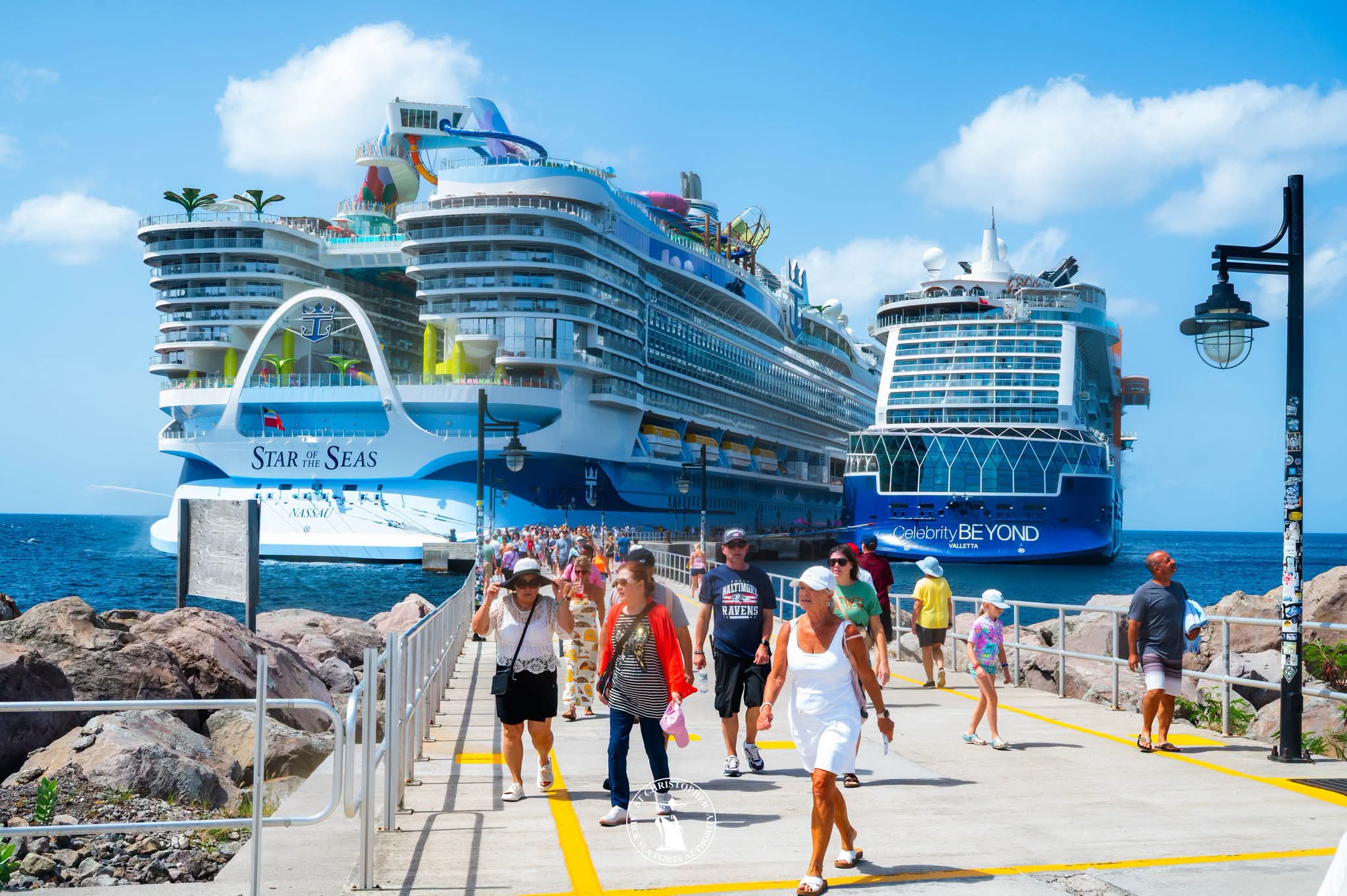
Why St. Kitts Is a Safe Landfall
After weeks alone at sea, you want your first port to be reliable. Port Zante Marina in Basseterre offers:
- Secure berths with 24-hour dock security
- On-site Customs and Immigration for fast clearance
- Access to medical clinics and hospitals in the capital
- Local mechanics and trades to fix rig, engine, or electrical issues
- Safe place to rest before continuing your journey
A proper marina makes all the difference after crossing an ocean solo.
Key Takeaways
- Essential safety gear includes life raft, EPIRB, AIS, jacklines, and tethers.
- Communication tools (sat phone, PLB, VHF) keep you connected.
- Plan for dismasting, leaks, steering loss, and medical issues.
- Always carry redundancy for navigation, water, steering, and comms.
- Practice drills before leaving shore.
- Make landfall in a secure, service-ready port like Port Zante Marina in St. Kitts.
Make landfall in a secure port with services that keep you safe – Port Zante Marina in St. Kitts.