

Your cart is empty Continue Shopping
Weather Windows & Routing: Picking the Right Time for Your First Atlantic Crossing

Timing is everything when it comes to a safe Atlantic passage. For solo sailors, choosing the right season and the right route can make the difference between a steady tradewind sail and a fight against storms. This guide breaks down when to leave, which routes to follow, and how to use weather tools to your advantage.
When to Cross the Atlantic
The Atlantic has two main seasons for ocean passages. Which one you choose depends on your direction.
- East to West (Europe to Caribbean): Best time is late November to early January. By then, hurricane season is finished and the tradewinds are settled. Most fleets, including the ARC, leave the Canary Islands around this window.
- West to East (Caribbean to Europe): Best time is May to June. By then, winter storms have eased, but hurricane season has not yet begun. Many yachts sail from the Caribbean to the Azores, then onward to Europe.
Trying to cross outside these windows increases your risk of encountering severe weather.
The Tradewind Route (Europe to Caribbean)
Most first-time solo sailors take the classic tradewind route.
- Stage 1: Canary Islands to Cape Verde (~850 NM)
- Stage 2: Cape Verde to Caribbean (St. Lucia, Antigua, or St. Kitts, ~2,100 NM)
Why it works:
- Shorter second leg compared to sailing direct from the Canaries
- More reliable tradewinds closer to the equator
- A natural break for rest, repairs, and provisioning in Cape Verde
For those skipping Cape Verde, the direct route from the Canaries to the Caribbean is about 2,800 NM and usually takes 18–25 days for solo sailors.
Caribbean Landfalls
Most organized rallies head for St. Lucia or Antigua. For independent sailors, St. Kitts makes an excellent first or second stop:
- Central location between Antigua, Guadeloupe, and St. Maarten
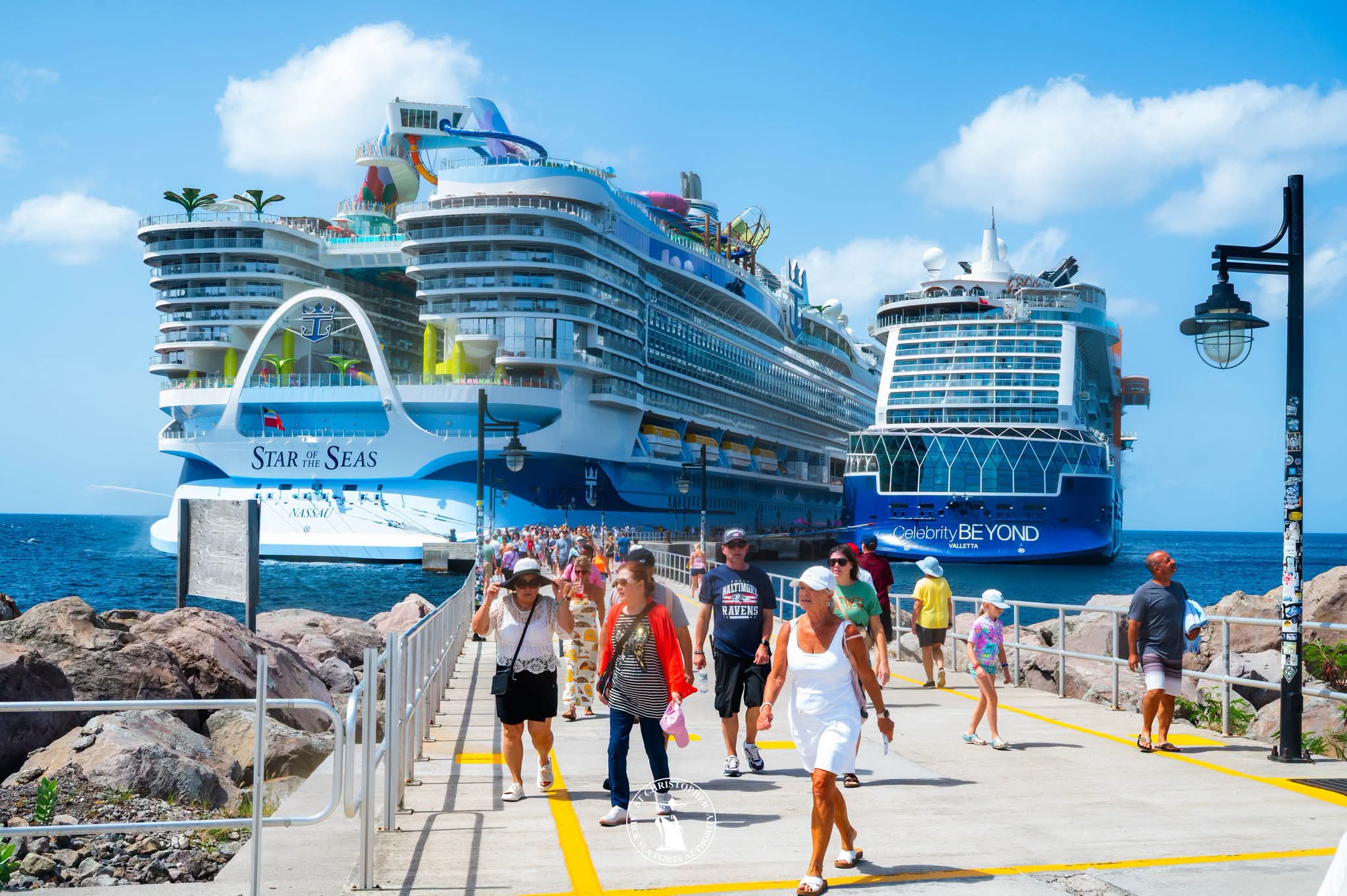
- Port Zante Marina offers on-site clearance, serviced slips, and provisioning in Basseterre
- Easier access than crowded ports during peak rally arrivals
Weather Systems to Watch
- Hurricanes: Season runs June to November. Avoid departures during this time.
- Winter gales: Early crossings (October) risk strong lows sweeping south.
- The doldrums (ITCZ): Closer to the equator, expect light winds and squalls. Skippers heading via Cape Verde often cross a narrow zone of unsettled weather before the trades settle in.
- Tradewinds: From December through February, steady easterlies fill in across the Atlantic. This is the sweet spot for westbound solo sailors.
Even with good weather, emergencies happen – make sure you’re ready.
Tools for Routing
- GRIB files: Download weather models through satellite data. Essential for up-to-date forecasts.
- Weather routers: Professional services can advise you on departure windows.
- Saildocs / PredictWind: Email or app-based services for GRIBs and routing.
- Navtex: Useful near coasts but limited mid-ocean.
Even with tech, solo sailors must know how to read pressure charts and watch for squalls.
Step-by-Step Planning for a Solo Crossing
- Pick your window: Late November–December westbound; May–June eastbound.
- Choose your route: Canary Islands → Cape Verde → Caribbean is most forgiving.
- Watch forecasts daily: Don’t rush departure. Wait for a clear window.
- Plan landfall: Choose a marina with safe berths, easy clearance, and good services.
- Have a backup: Know which ports you can divert to in case of gear failure or crew fatigue.
Why St. Kitts Fits the Plan
For first-timers, the first days after landfall are critical. You need rest, repairs, and good food. Port Zante Marina provides:
- Customs and Immigration on the dock
- 36 serviced slips for yachts up to 200 feet
- Power, water, and garbage facilities
- Shops, markets, and banks within walking distance
- A safe base to recover before continuing north or south through the islands
This makes St. Kitts a practical and comfortable landfall after weeks at sea.
Key Takeaways
- Cross westbound in late November–early January for the best tradewinds.
- Eastbound crossings work best in May–June.
- The Canary Islands → Cape Verde → Caribbean route is ideal for first-timers.
- Watch for hurricanes, winter gales, and doldrum zones.
- Use GRIBs, routing tools, and weather services daily.
- Plan your first stop carefully – Port Zante Marina in St. Kitts is one of the best choices for solo sailors making landfall.
Up next: Once you know when you’re leaving, here’s how to stock your boat for the crossing.
See how St. Kitts fits naturally into your landfall plan.