
Your cart is empty Continue Shopping
Solo Atlantic Crossing: A Guide for First – Timers

Crossing the Atlantic alone is one of sailing’s biggest challenges. Preparation, planning, and the right mindset turn it from a risk into an achievement. This guide brings together everything a first-time solo sailor needs – from training and gear to weather windows and emergency planning.
Each section links to a detailed article so you can go deeper into the topics that matter most.
1. How to Prepare Before Your First Solo Atlantic Crossing
Start with the basics. Do you have enough experience? What training makes the most difference? What gear is essential before leaving the dock? This article covers:
- Minimum offshore experience
- Training and certifications worth taking
- Gear checklist for solo sailors
- Mental preparation for weeks alone at sea
Read the full preparation guide
2. Watchkeeping, Sleep & Autopilot: Managing Alone at Sea
How do solo sailors sleep without leaving their boat unguarded? The answer is short naps, alarms, and reliable autopilot. This article explains:
- Micro-nap watch systems
- Using autopilot and wind vane steering together
- Alarms and electronic aids for safer sleep
- Fatigue management strategies
Read the full watchkeeping guide
3. Weather Windows & Routing: Picking the Right Time
Timing is critical. The right season and route can give you weeks of steady tradewinds. The wrong choice puts you into storms. This article details:
- Best months to cross east–west and west–east
- The classic tradewind route via Cape Verde
- Weather systems to watch for
- Routing tools every solo sailor should use
Read the full weather and routing guide
4. Provisioning & Spares: How Much Do You Really Need?
Getting provisioning right means staying fed and calm. Having the right spares means keeping the boat moving. This article breaks down:
- How much water and food to carry
- Emergency rations and comfort foods
- Spares for engine, rig, autopilot, and plumbing
- Storing and organizing supplies for easy access
Read the full provisioning and spares guide
5. Safety & Emergency Planning for Your First Crossing
Emergencies at sea are rare, but solo sailors must be ready for the worst. This article explains:
- Core safety gear: EPIRB, PLB, AIS, jacklines, life raft
- Emergency scenarios: leaks, dismasting, steering failure, medical events
- Redundancy — why every critical system needs a backup
- Practicing drills before departure
Read the full safety and emergency planning guide
Why St. Kitts Is the Right Landfall
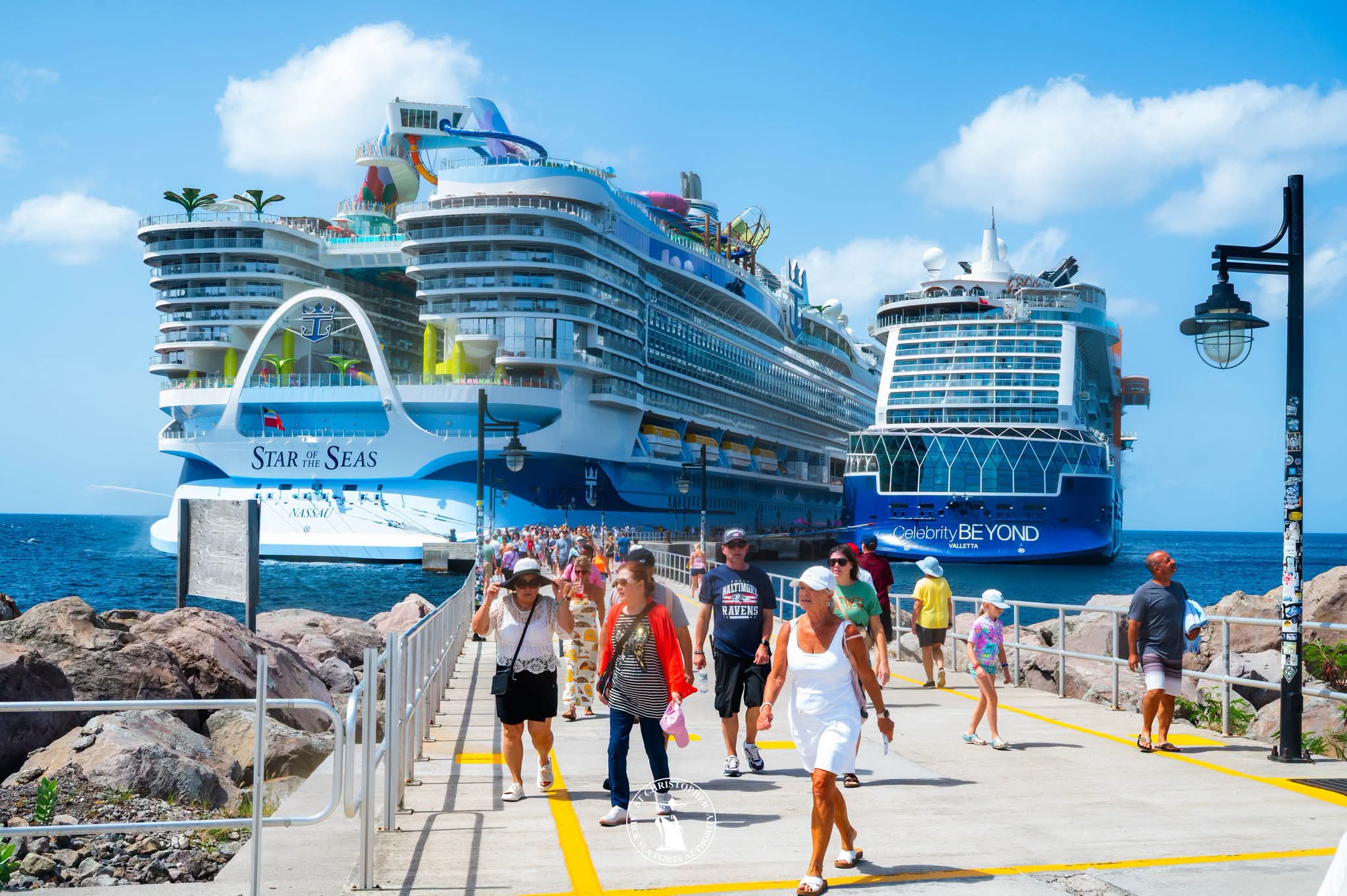
After weeks alone at sea, your first port matters. You want a marina that is safe, efficient, and close to supplies. Port Zante Marina in Basseterre, St. Kitts offers:
- 36 serviced slips for yachts up to 200 feet
- Customs and Immigration on the dock
- Fuel delivery, water, and garbage facilities
- Supermarkets and fresh markets within walking distance
- 24-hour security and medical services nearby
For first-time solo sailors, Port Zante is a stress-free way to complete your Atlantic crossing and prepare for the next stage of your journey.
Book your berth at Port Zante Marina
Key Takeaways
- Solo Atlantic crossings require preparation in training, gear, and mindset.
- Sleep, watchkeeping, and autopilot are critical for managing fatigue.
- Weather windows define safe and unsafe times to cross.
- Provisioning and spares make life manageable on board.
- Safety planning and redundancy are non-negotiable.
- A secure landfall like Port Zante Marina makes the transition from ocean to land smoother.